10% OFF YOUR FIRST ORDER - USE COUPON WELCOME10 (excludes bundles)
Body CareDecember 04, 2025
What Is Dry Brushing? Your Guide to This Ancient Ritual
Discover what dry brushing is, how it works, and which brush is best for your skin. Learn the ancient technique that transforms your daily routine into a mindful ritual.
Discover what dry brushing is, how it works, and which brush is best for your skin. Learn the ancient technique that transforms your daily routine into a mindful ritual.
If you’ve heard whispers about dry brushing and wondered what all the enthusiasm is about, you’re in the right place. This ancient wellness practice has been creating glowing skin and grounded mornings for centuries, long before it became a social media phenomenon. But what is dry brushing, really? And more importantly, is it something that might enhance your own self-care rituals?
At its core, dry brushing is a remarkably simple practice. It’s the practice of gently massaging your skin with a natural-bristle brush before showering, working in deliberate strokes that follow your body’s natural rhythms. What makes it special isn’t complexity but consistency, transforming a functional skincare step into a few minutes of genuine connection with your body.
What Is a Dry Brush?
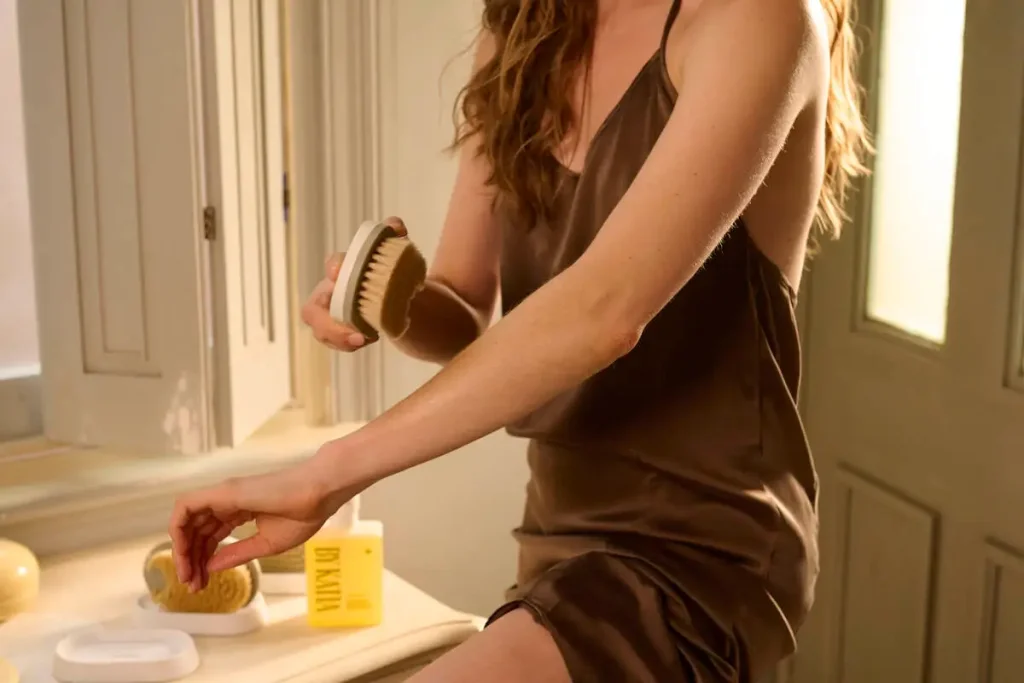
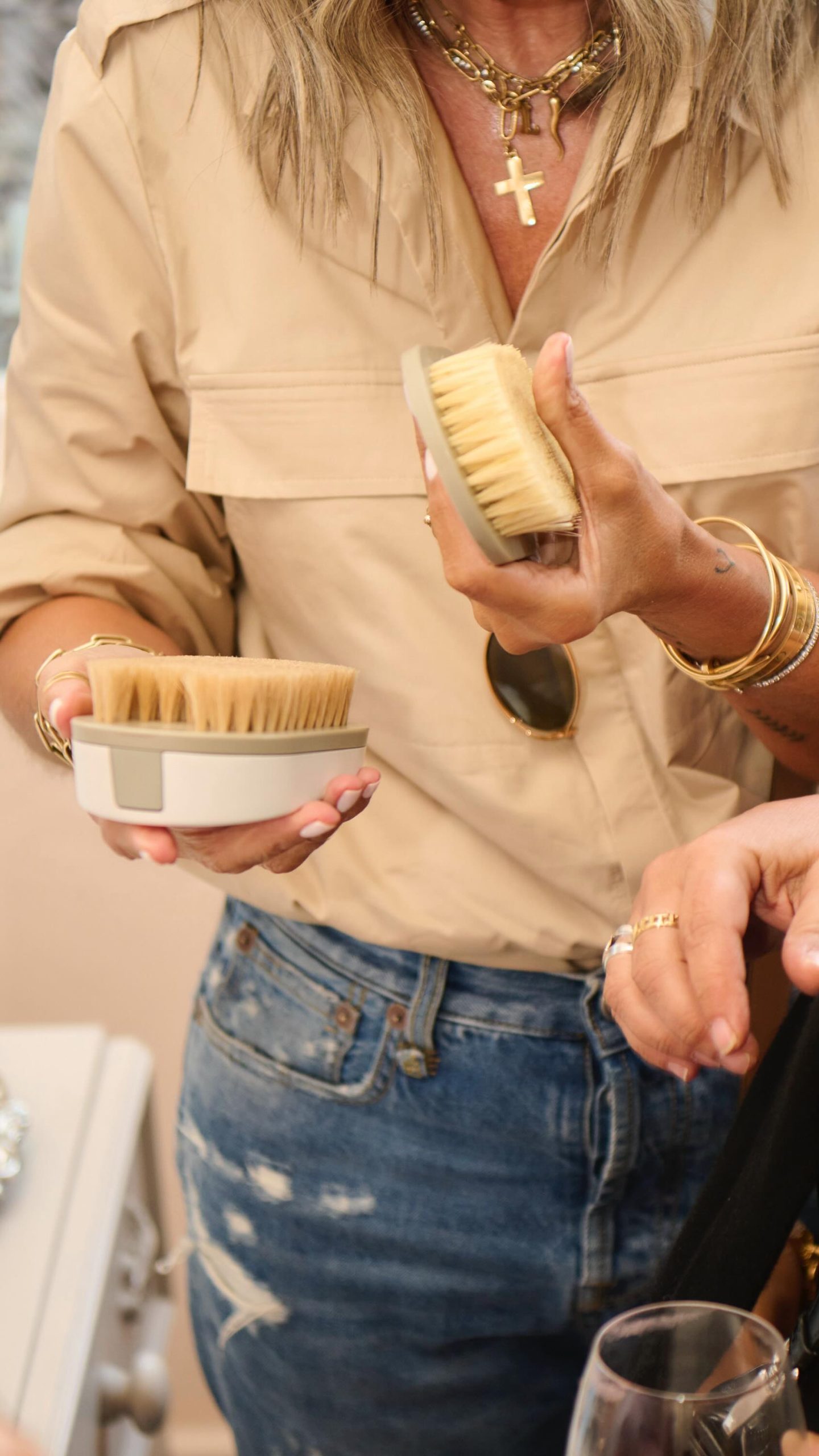
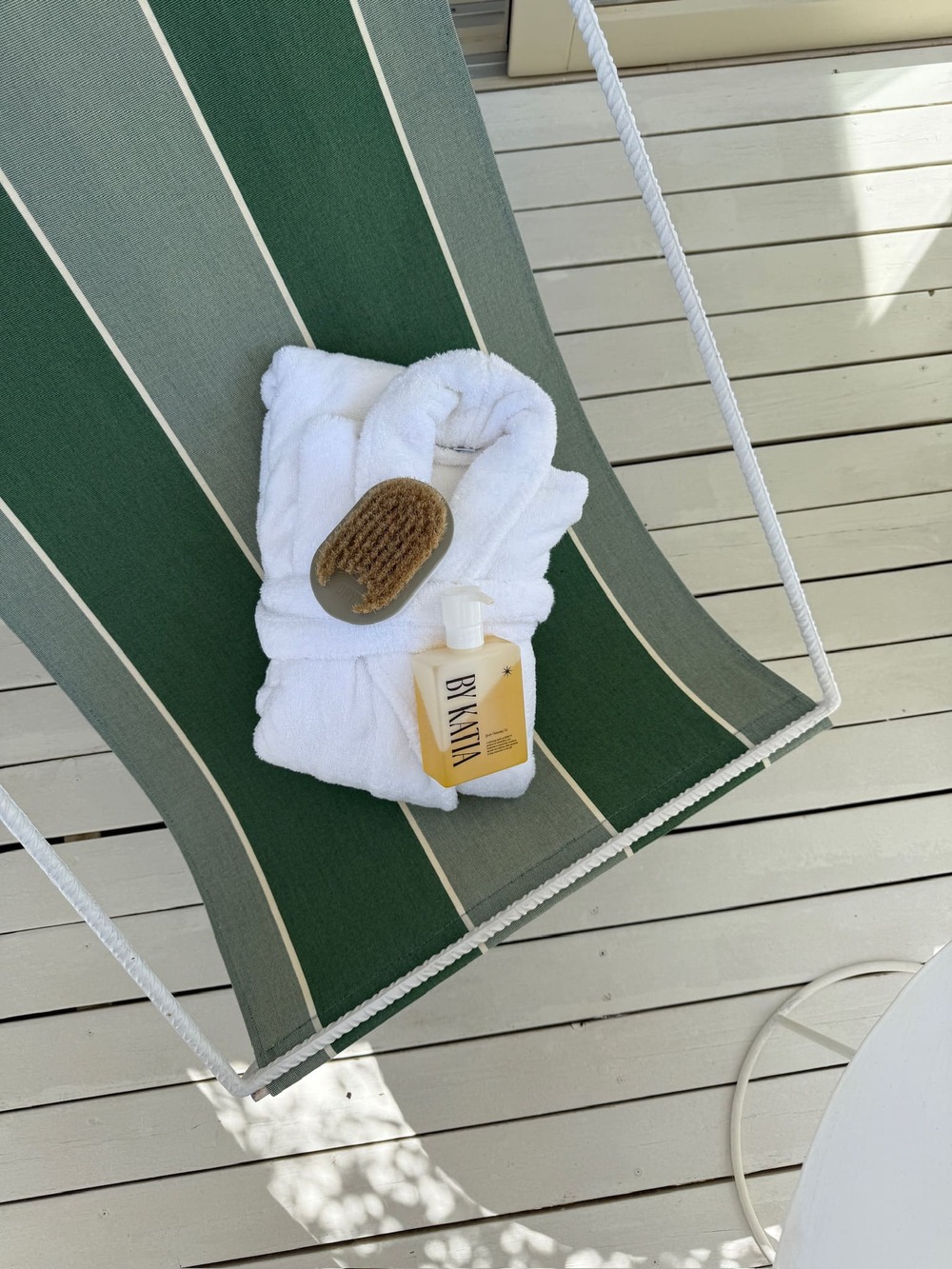
A dry brush is a specialised tool designed for body exfoliation and lymphatic support. Unlike your everyday bath brush or synthetic shower scrubber, a proper dry brush features firm, natural bristles that work effectively on dry skin without requiring water or cleansing products.
What Is a Dry Brush?
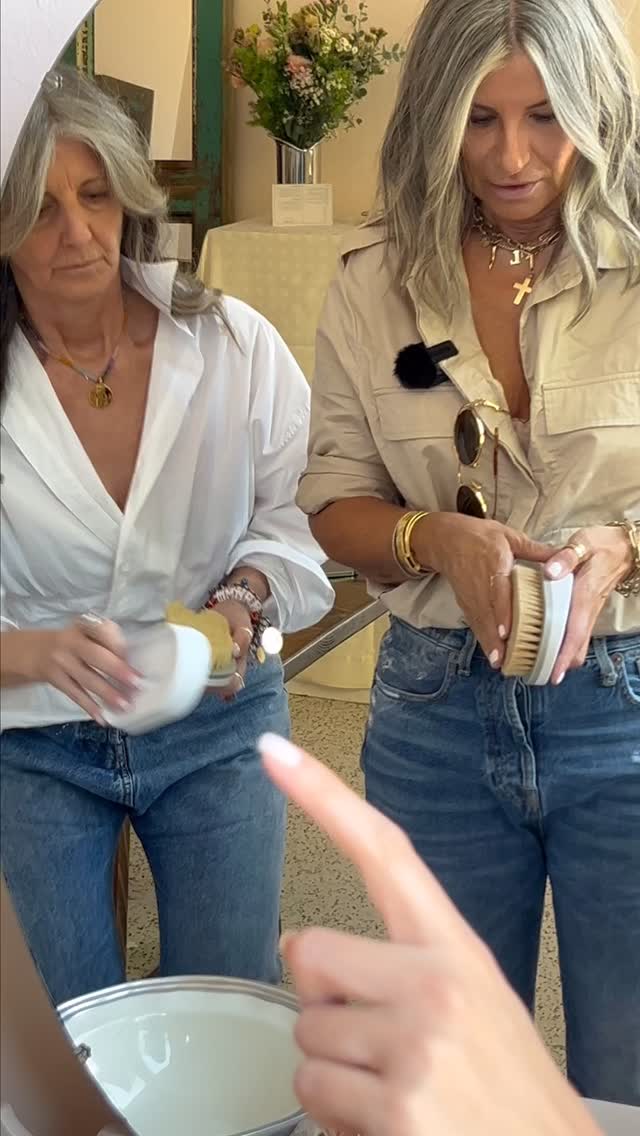
The brush itself typically has a rounded or oval head attached to a handle. Some have long handles that help you reach your back and shoulders comfortably, whilst others feature shorter handles or handheld designs that give you more control over pressure and movement. The bristles are usually made from plant fibres like sisal, cactus, or agave, though some brushes use boar hair or other natural materials.
What distinguishes a quality dry brush from other exfoliation tools is the bristle firmness. The bristles need enough structure to effectively exfoliate and stimulate circulation, but they shouldn’t feel harsh or scratch your skin. A well-made dry brush will maintain its shape through regular use and proper care, becoming slightly softer over time whilst retaining its effectiveness.
The best dry brushes strike that perfect balance between firmness and gentleness, allowing you to work methodically across your body without irritation. When you hold a quality brush, it should feel substantial in your hand, with bristles that have some give but plenty of spring.
What Is Dry Brushing Skin?
Dry brushing skin refers to the specific practice of exfoliating your body with a stiff-bristled brush on completely dry skin, before you shower or bathe. The “dry” component is essential because it’s what makes this technique effective.
When you dry brush your skin, you’re working with the body’s natural exfoliation process rather than against it. Your skin constantly sheds dead cells, but sometimes this process needs gentle encouragement. The firm bristles sweep away the outermost layer of dead skin cells that can make your complexion look dull or feel rough, revealing the fresher skin underneath.
Beyond simple exfoliation, dry brushing skin involves specific directional movements that align with your lymphatic system’s flow. This ancient technique recognises that our bodies have natural pathways for processing and eliminating what they don’t need. By brushing toward your heart, you’re supporting these inherent rhythms rather than working against them.
The practice typically takes between five and ten minutes, depending on how thorough you want to be. Some people focus on areas that feel particularly dry or congested, whilst others prefer to work systematically across their entire body. There’s no single “correct” way to dry brush your skin, only the approach that feels most nourishing for you.
What Is a Dry Brush Used For?
People reach for their dry brush for various reasons, though most discover multiple benefits once they establish a consistent practice. Understanding what a dry brush is used for helps you set realistic expectations while appreciating the genuine value this simple tool brings to your wellness routine.
The primary purpose of a dry brush is exfoliation. Regular brushing removes the buildup of dead skin cells that accumulate naturally on your body’s surface. This reveals smoother, brighter skin underneath and allows your body oils and moisturisers to absorb more effectively. Many people notice their skin feels softer and looks more radiant within the first few weeks of consistent dry brushing.
Dry brushes are also used to support lymphatic function. Your lymphatic system doesn’t have its own pump like your cardiovascular system does. It relies on movement and external stimulation to keep fluid flowing properly. The gentle massage action of dry brushing, combined with those deliberate strokes toward your heart, encourages lymphatic drainage and may help reduce puffiness or that heavy, congested feeling some people experience.
Circulation is another key reason people incorporate dry brushing into their routines. The stimulation from brushing brings blood flow to the surface of your skin, which can give you that healthy, awakened glow. Some people find the increased circulation leaves them feeling more energised, particularly when they dry brush in the morning.
Beyond the physical benefits, many people use dry brushing as a grounding ritual. Those few minutes of mindful, repetitive movement create space for presence and body awareness in otherwise rushed mornings or evenings. It’s an opportunity to check in with yourself, notice how your skin feels, and offer your body some focused attention.
What Brush Is Best for Dry Brushing?
When you’re choosing what brush is best for dry brushing your specific skin, several factors come into play. The ideal brush depends on your skin sensitivity, the areas you’ll focus on, and how the tool feels in your hand during use.
Natural bristle brushes are universally preferred over synthetic options. Plant-based fibres like sisal, cactus, and agave offer the right combination of firmness and flexibility. These materials effectively exfoliate whilst being gentle enough for regular use. Natural bristles also tend to last longer and maintain their shape better than synthetic alternatives.
Bristle firmness matters significantly. If you have sensitive skin or you’re new to dry brushing, start with a softer natural bristle. You can always progress to firmer bristles as your skin builds tolerance. Conversely, if you have resilient skin or areas with thicker skin like your legs and feet, a firmer bristle provides more effective exfoliation.
The brush head size and shape also influence your experience. Larger, rounded heads cover more surface area quickly, making them efficient for legs and torso. Smaller or contoured heads give you better access to areas like collarbones, ankles, and anywhere the body curves.
Ultimately, the best brush for dry brushing is one you’ll actually use. It should feel comfortable in your hand, work effectively on your skin without causing irritation, and fit naturally into your routine. Some people discover they prefer having two brushes – perhaps a firmer one for legs and feet, and a gentler option for more sensitive areas.
What Is the Dry Brush Technique? Mastering the Method
Understanding what the dry brush technique entails helps you get the most benefit from your practice whilst protecting your skin. The method is straightforward, but attention to direction and pressure makes all the difference.
The fundamental principle of the dry brush technique is this: always brush toward your heart. This directional approach aligns with your lymphatic system’s natural flow and supports healthy circulation. Starting from your extremities and working inward ensures you’re encouraging proper drainage rather than working against your body’s inherent rhythms.
Begin at your feet. Using long, smooth strokes, brush from your toes up toward your knees. Move methodically, covering each area with three to six overlapping strokes. The pressure should be firm enough that you feel the bristles against your skin, but never so hard that it causes redness or discomfort. Think “invigorating” rather than “aggressive.”
Begin with your thighs, brushing upward toward your hips and groin with consistent pressure. Then move to your lower legs, starting at your knees, brush down to your ankles, then from your feet, brush upward toward your knees. Complete each leg with one full sweep from your feet all the way through your thighs, guiding everything toward your heart.
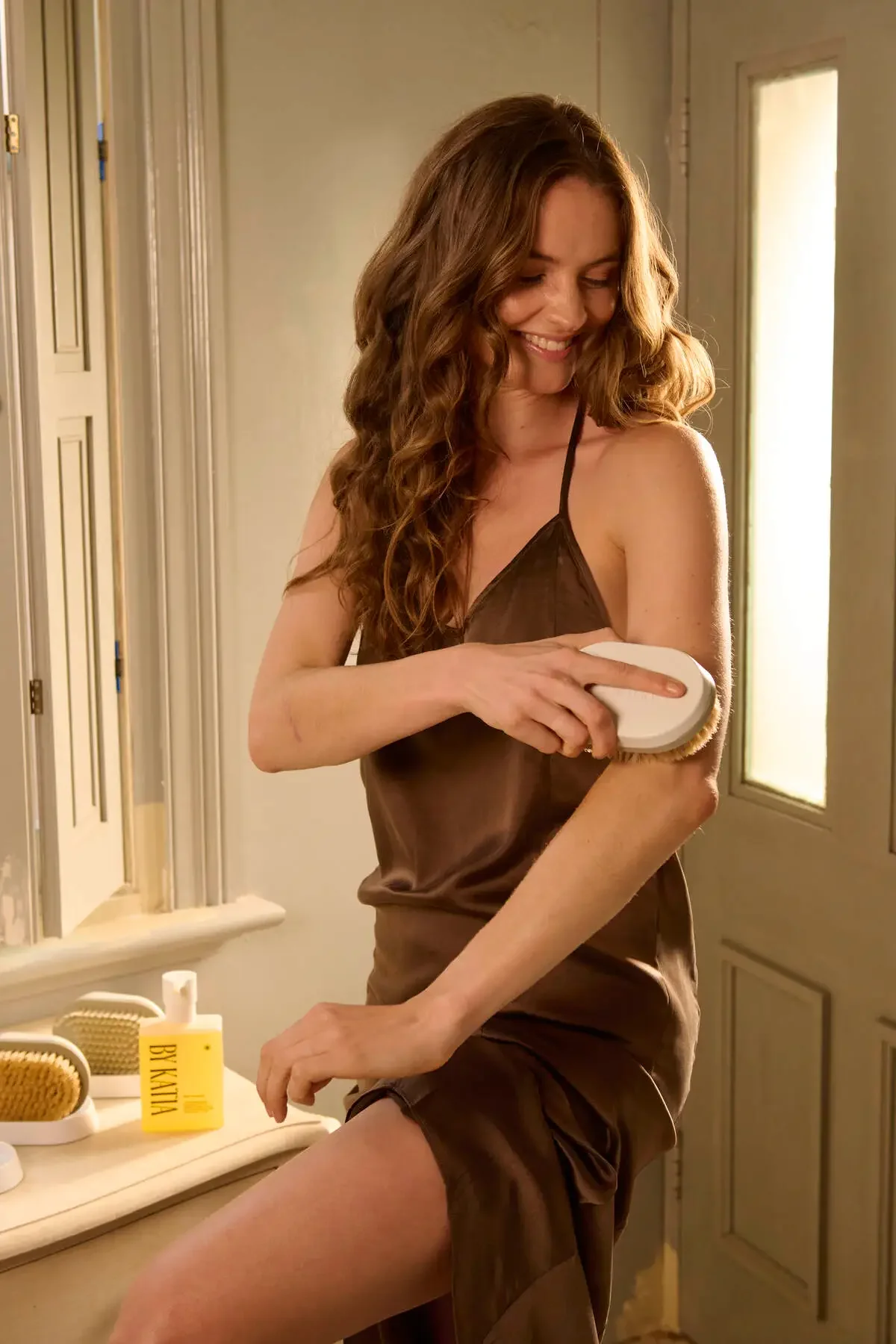
For your arms, start with your upper arms, brushing toward your shoulders. Then move to your forearms and hands, brushing upward from your palms toward your elbows. Pay special attention to the backs of your arms and your elbows, where skin tends to be drier. Finish each arm with one complete sweep from your hands all the way to your shoulders.
When you reach your torso, switch to gentle circular motions on your stomach, always moving in a clockwise direction to support digestion. Your lower back can be brushed upward toward your shoulders if you can reach comfortably. When you reach your chest and décolletage, use lighter pressure and gentler movements, as the skin here is more delicate.
A few important technique notes: never brush over broken skin, active breakouts, rashes, or any inflamed areas. Skip anywhere that feels tender or irritated. If you notice persistent redness that lasts more than thirty minutes after brushing, you’re using too much pressure or brushing too frequently.
The proper dry brush technique isn’t about perfection or following rigid rules. It’s about working with your body’s natural wisdom, using consistent directional movements that feel good whilst supporting your skin and lymphatic health.
Building Your Dry Brushing Ritual
Once you understand what dry brushing is and how to do it properly, the next step is integrating it into your life in a way that feels sustainable rather than obligatory. The most successful dry brushing practices are the ones that genuinely enhance your existing routines.
Morning tends to be the most popular time for dry brushing. The stimulation naturally energises your body and mind, making it an excellent pre-shower ritual that helps you transition from sleep to active wakefulness. Some people find dry brushing in the morning more effective than their usual coffee for creating that alert, ready-to-face-the-day feeling.
That said, evening dry brushing works beautifully for others. If you prefer winding down with a long bath, dry brushing beforehand can be wonderfully grounding. The repetitive, meditative movements help you transition from the day’s busyness into a more restful state. Choose the timing that serves your energy and schedule best.
Consider creating a small ritual around your dry brushing practice. Perhaps you light a candle, play calming music, or simply take three deep breaths before you begin. These small additions signal to your nervous system that this is intentional self-care time, not another task to rush through.
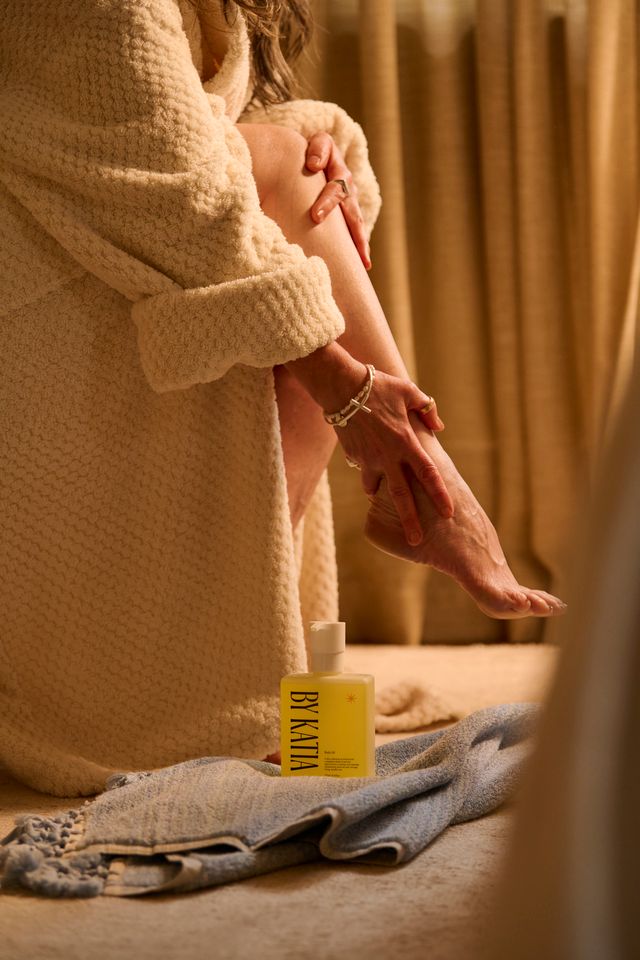
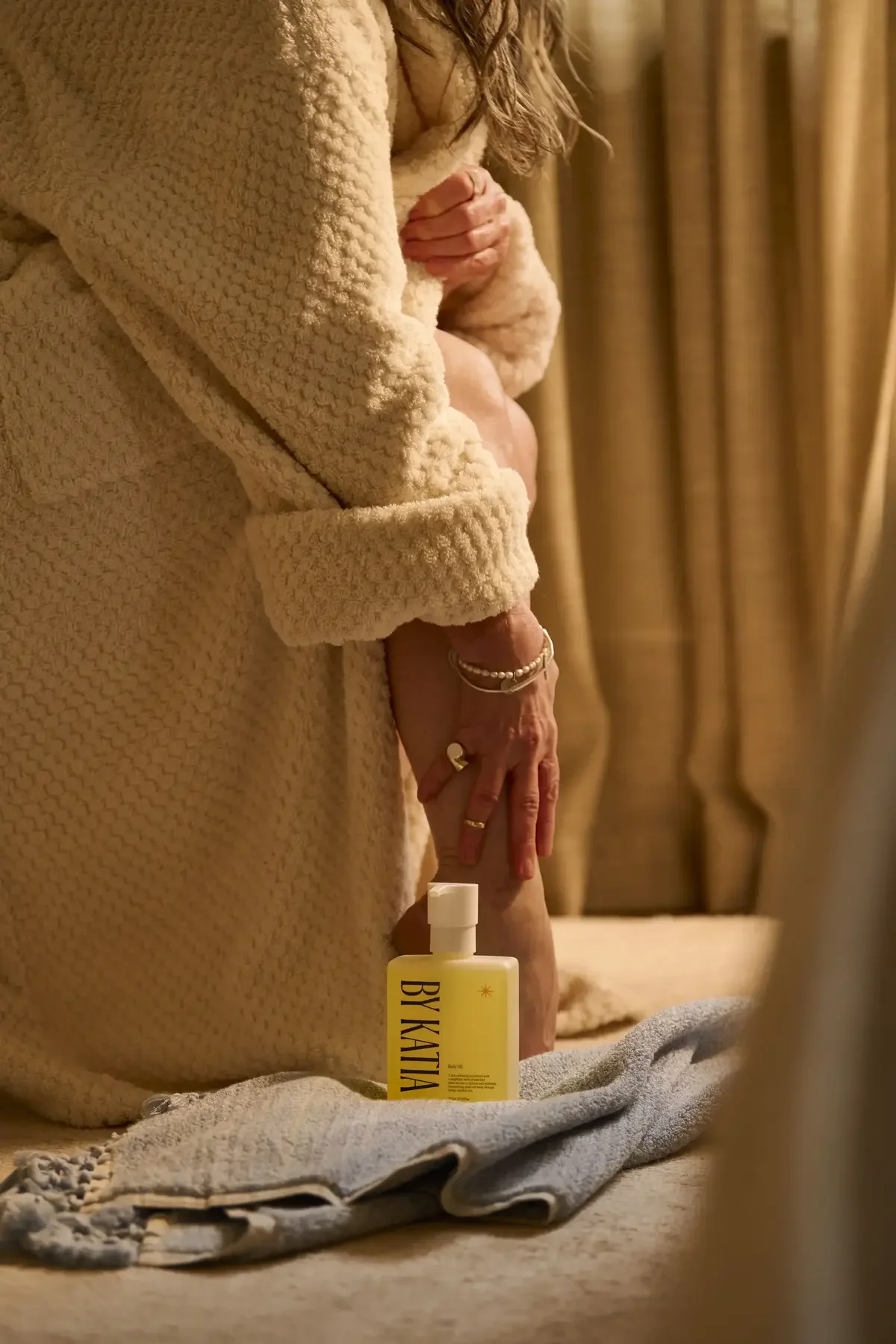
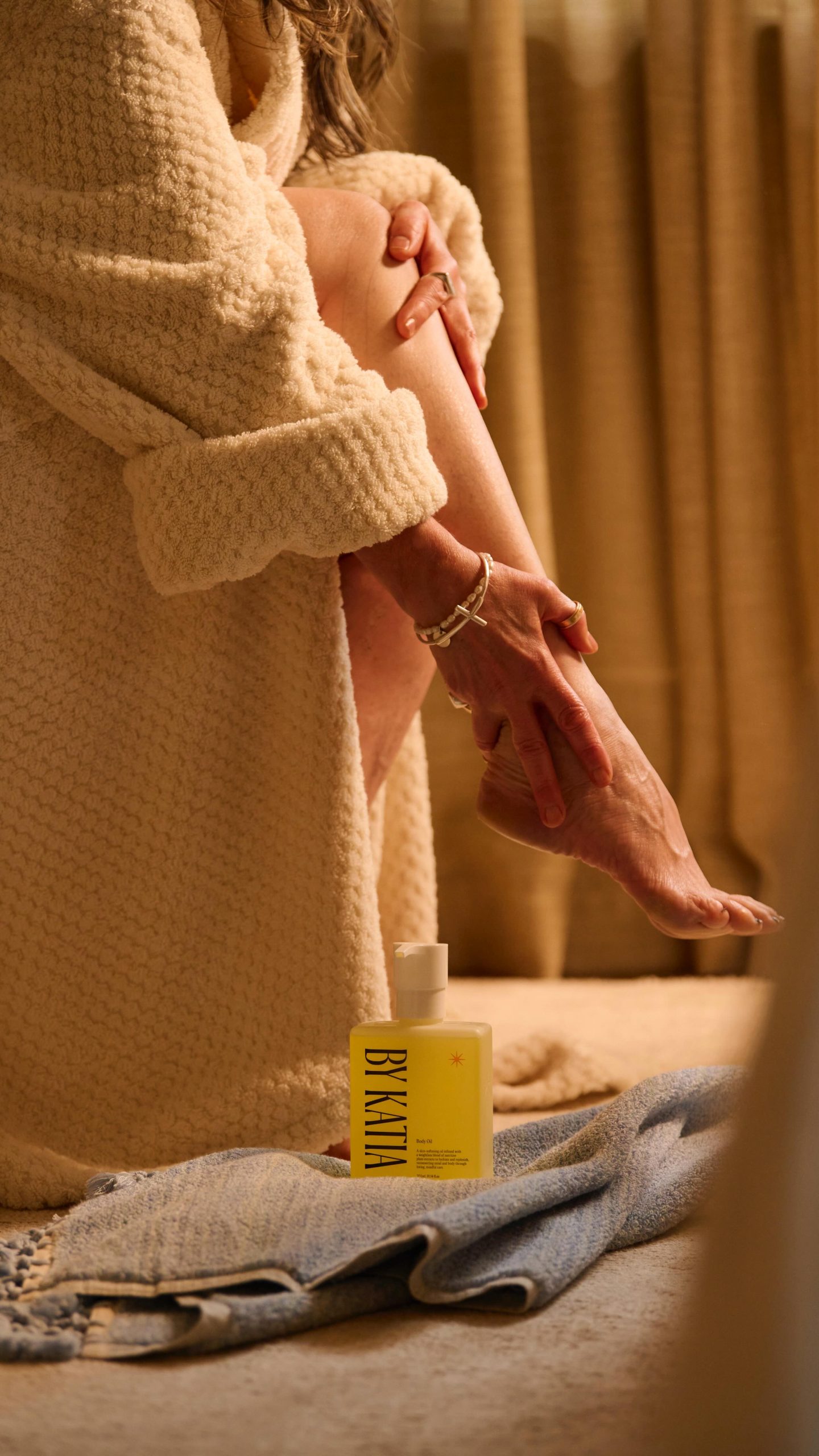
After dry brushing, shower to rinse away the loosened dead skin cells. This is the perfect time to follow with a nourishing body oil whilst your skin is still slightly damp. The combination of exfoliation plus deep moisturisation leaves your skin feeling incredibly soft and cared for.
Caring for Your Dry Brush
A well-maintained brush serves you better and lasts longer. After each use, tap your brush firmly against your sink or bin to dislodge any loosened skin cells. This simple step prevents buildup between deeper cleanings.
Wash your brush thoroughly once monthly, or when you see fit, with gentle soap and warm water. Rinse it completely, shake off excess water, and let it dry with bristles facing down in an open, well-ventilated area. Avoid leaving your brush in the shower, where moisture and humidity encourage mildew growth.
With proper care, a quality dry brush typically lasts six to twelve months before the bristles become too soft or sparse. When you notice the bristles losing their firmness or your brush no longer feels effective, it’s time for a fresh one.
Common Questions About Dry Brushing
What’s the difference between dry brushing and regular exfoliation?
Dry brushing is done on completely dry skin before showering, using only the brush with no water or products. This allows for more effective exfoliation and lymphatic stimulation than wet scrubbing. Regular exfoliation typically happens in the shower with water and exfoliating products, which can be gentler but less targeted.
Can I use my dry brush on my face?
Standard body dry brushes are too firm for facial skin. If you want to dry brush your face, invest in a brush specifically designed for that purpose with much softer bristles.
How do I know if I’m using the right pressure?
Your skin should look slightly pink after brushing, similar to how it might appear after a brisk walk in cool weather. This pinkness should fade within twenty to thirty minutes. If you see lasting redness, scratches, or feel any stinging, you’re applying too much pressure.
Should I dry brush before or after exercising?
Post-workout is ideal timing for dry brushing. Wait until you’ve cooled down completely and your skin is no longer flushed or sweaty, then begin your ritual. This allows you to flow naturally into the shower afterward to complete the full sequence with BY KATIA’s Body Cleansing Oil.
What if dry brushing feels uncomfortable?
Some initial tingling or slight itching is normal as circulation increases, especially in the first week or two. However, if dry brushing feels genuinely painful or causes irritation, try a softer brush, lighter pressure, or less frequent sessions. Your practice should feel invigorating, not uncomfortable.
Does the direction really matter?
Yes, brushing toward your heart aligns with your lymphatic system’s natural drainage patterns. Whilst brushing in other directions won’t harm you, following the proper direction maximises the lymphatic and circulatory benefits that make dry brushing valuable beyond simple exfoliation.
Can dry brushing help with specific skin concerns?
Dry brushing excels at improving overall skin texture and tone, reducing the appearance of dry patches, and creating smoother skin. For specific concerns like keratosis pilaris or ingrown hairs, consistent dry brushing may help, though results vary by individual. It’s best approached as part of comprehensive body care rather than a targeted treatment.
Your Practice, Your Way
Now that you understand what dry brushing is, what tool you need, and the proper technique, you have everything required to begin. Remember that the most effective dry brushing practice is the one you maintain consistently, not the one that follows every rule perfectly.
Start gently, pay attention to how your skin responds, and let your ritual evolve naturally. Some days, you might dry brush your entire body thoroughly. Other days, you might focus on just your legs and arms. Both approaches are valuable.
The beauty of dry brushing lies in its simplicity. A few minutes, a natural bristle brush, and deliberate movement are all you need to support your skin’s natural renewal, encourage healthy circulation, and create a moment of mindful connection with your body. Everything else is just refinement.
Join the BY KATIA family for 10% off your first order, early access to new launches and powerful, proven wisdom to support your self-love practice.
"*" indicates required fields
By clicking JOIN, you agree to receive marketing messages from BY KATIA. Your privacy is important to us so your details will be kept secure and will not be shared with third parties. You can unsubscribe from our communications at any time. By signing up, you agree to our Terms of Service and Privacy Policy.